Common Causes of Concrete Foundation Damage
People seeking foundation damage repair aim to fix structural issues caused by common causes like soil movement or moisture problems, with local contractors ready to provide expert solutions.
Understanding the common causes of concrete foundation damage is an important step for property owners concerned about the stability of their homes. Issues such as soil movement, poor drainage, and temperature fluctuations can all contribute to cracks, settling, or other structural problems. Recognizing these factors helps homeowners determine when to seek professional assistance and can prevent minor issues from escalating into major repairs. Local contractors experienced in foundation repair are well-equipped to assess these underlying causes and provide solutions tailored to the specific conditions of the area.
For property owners in the region, exploring the causes behind foundation damage is a practical way to safeguard their investments. Whether it's addressing drainage problems that lead to water pooling around the foundation or managing soil shifts caused by seasonal changes, understanding these issues can guide decisions about repairs and preventative measures. Local service providers specializing in foundation damage repair have the expertise to diagnose the root causes and recommend effective strategies to restore stability. Keeping informed about these common issues ensures homeowners are better prepared to maintain the integrity of their properties.
- Soil settlement - when the ground beneath a foundation shifts or compacts, local contractors may recommend foundation underpinning or stabilization to prevent further damage.
- Water intrusion - excessive moisture from poor drainage or plumbing leaks can weaken concrete, prompting service providers to perform waterproofing and repair work.
- Tree roots - nearby trees can grow into and lift foundation walls, leading local pros to remove roots and reinforce affected areas.
- Frost heave - repeated freezing and thawing cycles can cause soil expansion, with local contractors addressing this through soil stabilization and foundation adjustments.
- Poor construction practices - inadequate concrete mixing or improper curing may cause cracks, prompting repair specialists to restore and reinforce the damaged foundation.
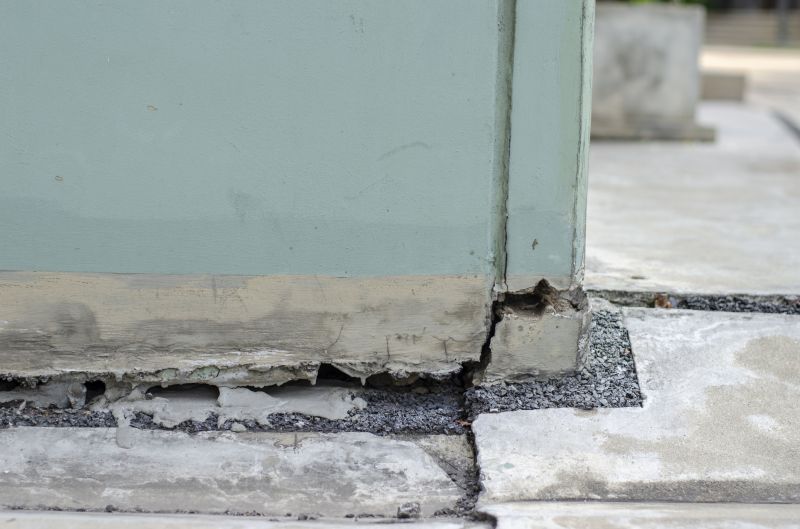
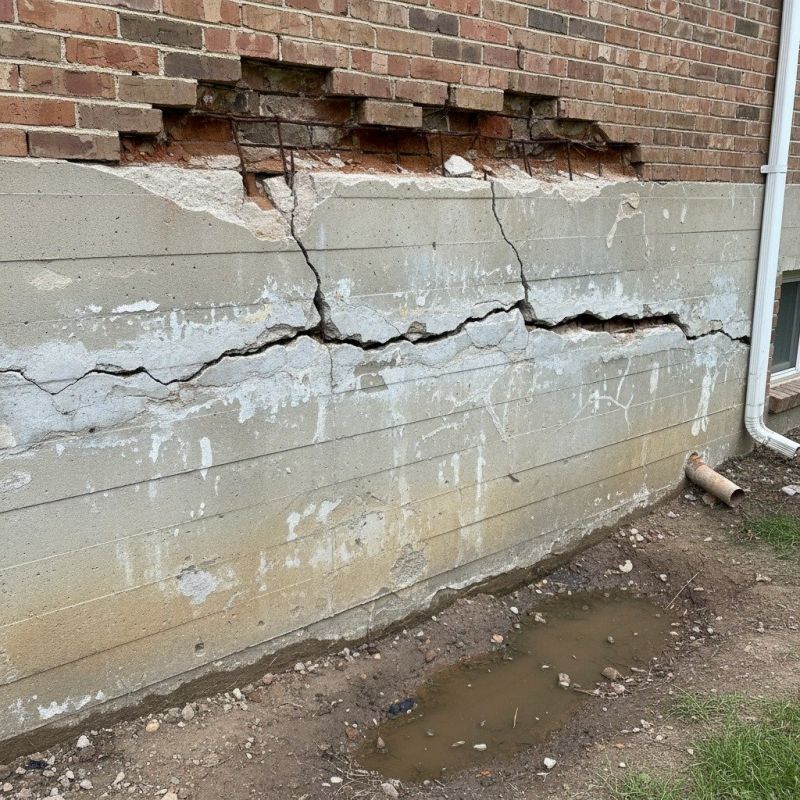
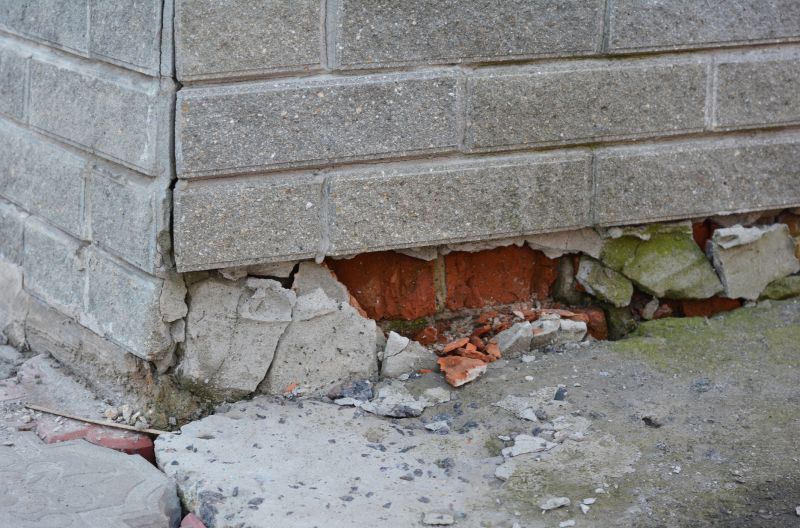
Understanding the common causes of concrete foundation damage is essential for homeowners who want to protect their properties and ensure long-term stability. When people search for this topic, they are typically looking for information about why their foundation may be cracking, settling, or showing signs of distress. These issues often relate to underlying problems that, if left unaddressed, can lead to costly repairs or even structural failure. Homeowners may also be interested in learning about preventative measures or early warning signs so they can take timely action. Connecting with local contractors who specialize in foundation repair can help address these concerns by diagnosing the root causes and recommending appropriate solutions.
The problems associated with foundation damage are often linked to specific causes that develop over time or due to environmental factors. Common causes of concrete foundation damage include soil movement, water intrusion, and poor initial construction. Soil movement can be caused by expansive clay soils that swell when wet and shrink when dry, exerting pressure on the foundation and leading to cracks or uneven settling. Water-related issues, such as poor drainage or plumbing leaks, can weaken the soil supporting the foundation, resulting in shifting or sinking. Additionally, inadequate construction practices, like improper compaction or insufficient reinforcement, can make a foundation more vulnerable to damage. Local service providers experienced in foundation repair can evaluate these causes and recommend targeted remedies to restore stability.
Certain types of properties are more prone to foundation damage caused by these common issues. Residential homes built on expansive clay or poorly drained soils are particularly susceptible, especially in areas with significant seasonal moisture fluctuations. Older homes with cracks or signs of settling may also be at higher risk, as their foundations have been subjected to decades of environmental stress. Commercial properties, especially those with large footprints or underground structures, can face similar challenges if drainage or soil conditions are not properly managed. Understanding the specific vulnerabilities of a property helps homeowners and property managers work with local contractors who can develop tailored repair plans that address the unique causes of foundation damage.
By gaining a clear understanding of the common causes behind concrete foundation damage, homeowners can better recognize early signs and seek appropriate professional help. Local foundation repair service providers play a vital role in diagnosing the underlying issues and implementing effective solutions. Whether it’s addressing soil movement, water intrusion, or construction-related problems, these experts have the experience to evaluate the situation accurately. Connecting with the right local contractors ensures that repairs are performed correctly and that measures are taken to prevent future damage. This proactive approach helps protect property value, maintain structural integrity, and provide peace of mind for homeowners facing foundation concerns.
Excavation and grading projects involve soil movement and site preparation skills similar to foundation repair, requiring knowledge of soil stability and proper drainage.
Retaining wall construction relies on understanding soil pressure and drainage, which are also critical factors in addressing foundation damage causes.
Drainage system installations focus on managing water flow around structures, helping prevent issues like water intrusion that contribute to foundation deterioration.
Soil stabilization and compaction services require expertise in soil mechanics, which is essential for repairing foundations affected by soil movement or settling.
Concrete pouring and repair projects involve similar techniques and tools used in foundation repair, especially when addressing cracks or settling issues.
Site assessment and soil testing services help identify underlying causes of foundation damage, supporting effective repair planning by local contractors.
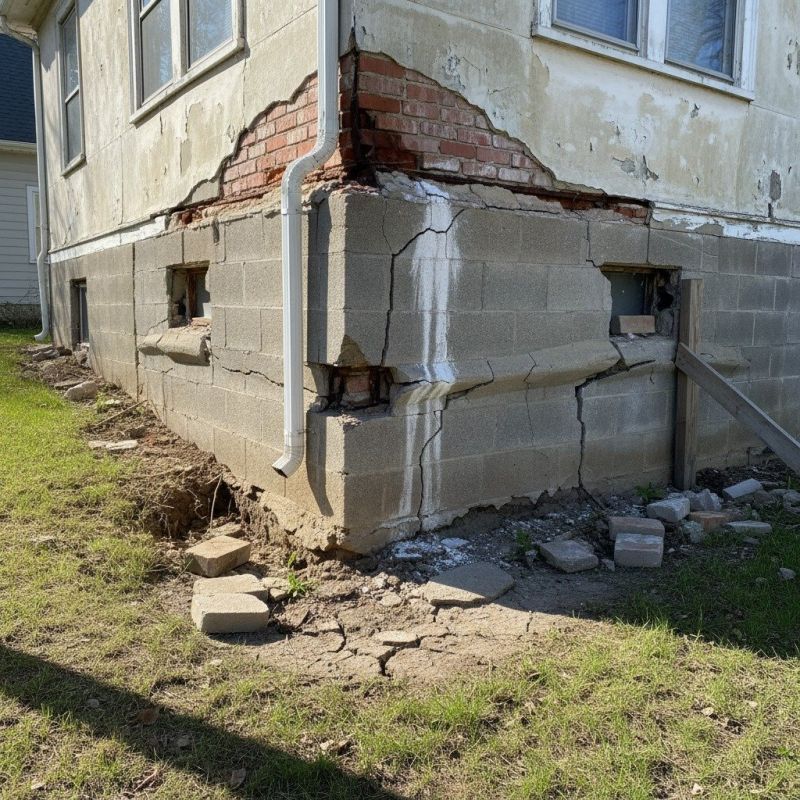
When evaluating local contractors for foundation damage repair, it’s important to consider their experience with similar projects. Homeowners should look for service providers who have a proven track record in addressing common causes of concrete foundation damage, such as settling, shifting soil, or water intrusion. An experienced contractor will have encountered a variety of foundation issues and can offer insights into effective repair strategies based on past work. Gathering references or reviews from previous clients can help verify their expertise and provide a clearer picture of their ability to handle specific foundation concerns.
Clear written expectations are essential when comparing foundation repair services. Homeowners should seek detailed proposals that outline the scope of work, the methods to be used, and the materials involved. This transparency helps ensure that all parties have a shared understanding of the project and can prevent misunderstandings down the line. Service providers who communicate their process clearly and provide thorough documentation demonstrate professionalism and a commitment to transparency, making it easier for homeowners to make informed decisions.
Good communication throughout the project is a key factor in selecting a reliable contractor. Homeowners should look for service providers who are responsive and willing to answer questions about the causes of foundation damage and the repair process. Reputable local contractors often have a reputation for keeping clients informed and addressing concerns promptly. This level of communication helps build trust and ensures that homeowners stay informed about progress and any potential issues that may arise during the repair process, ultimately leading to a smoother experience.
Property owners often search for common causes of concrete foundation damage when they are planning practical projects around their homes and businesses. Local pros provide Foundation Damage Repair services for everyday jobs and straightforward project options.
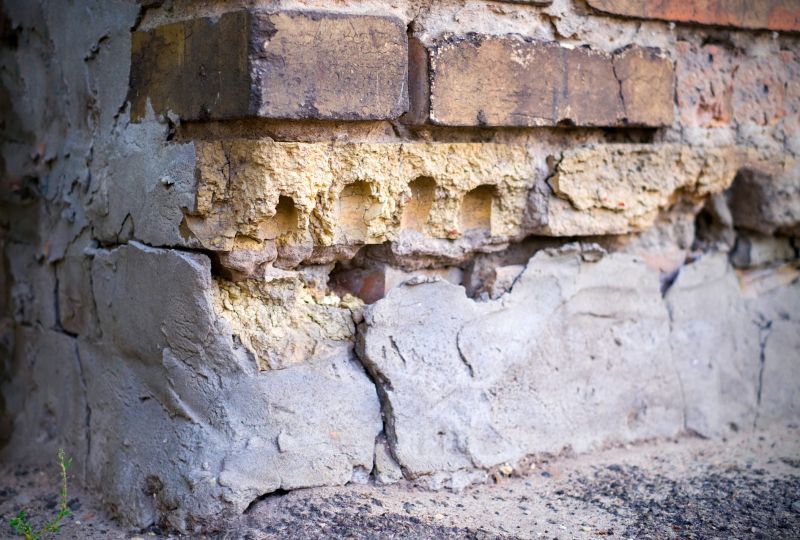
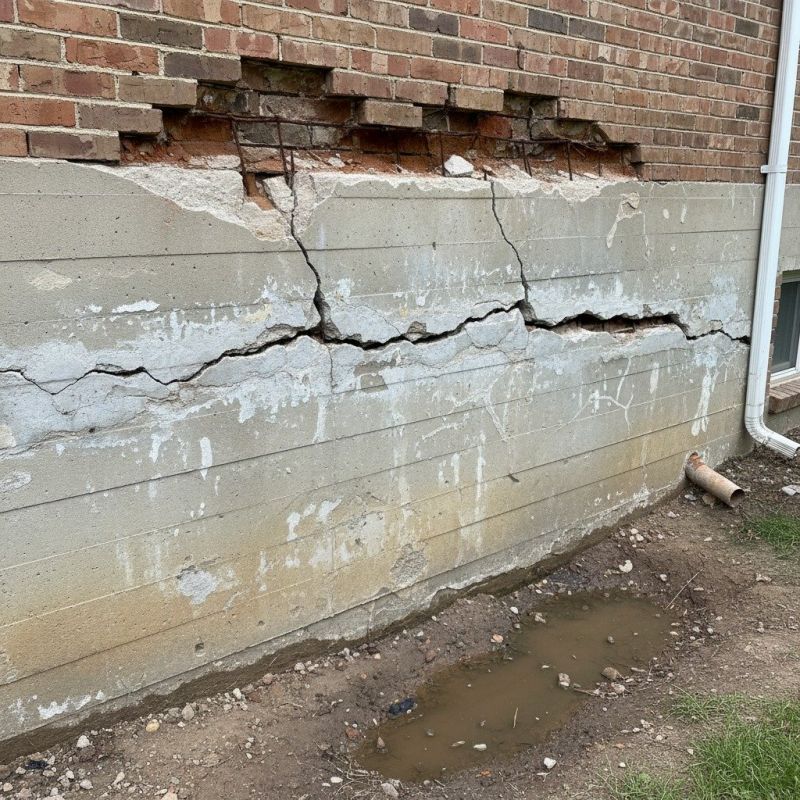
Understanding the common causes of concrete foundation damage can help property owners identify early warning signs and prevent costly repairs. In many cases, issues like soil movement, poor drainage, or improper excavation during construction can weaken a foundation over time. For homeowners dealing with cracks, uneven floors, or shifting walls, reaching out to local contractors experienced in foundation repair can provide solutions tailored to these everyday project situations.
Environmental factors and routine changes to the property can also contribute to foundation problems. Heavy rainfall, poor drainage around the property, or nearby excavation activities can lead to water pooling or soil erosion, putting pressure on the foundation. Property owners noticing signs of damage might consider consulting local service providers who specialize in foundation repair, as they can assess the specific causes and recommend appropriate fixes to restore stability and prevent further issues.
What are common causes of concrete foundation damage? Common causes include soil movement, water infiltration, poor drainage, and tree root intrusion, which can lead to cracks and settling. Local contractors experienced in foundation repair can assess the specific issues affecting a property.
How does soil movement affect foundation stability? Soil movement, such as expansion or contraction due to moisture changes, can exert pressure on the foundation, causing cracks or shifting. Local service providers can identify and address soil-related issues to prevent further damage.
In what ways does water infiltration cause foundation damage? Excess water from leaks, poor drainage, or high groundwater levels can weaken the soil supporting the foundation, leading to settling or cracking. Local pros can help improve drainage and repair affected areas.
Can tree roots impact the foundation? Yes, aggressive or nearby tree roots can grow under or around the foundation, exerting pressure and causing cracks or upheaval. Local contractors can evaluate and remove problematic roots if necessary.
What role does poor construction play in foundation damage? Inadequate foundation design or improper construction techniques can result in vulnerabilities that lead to early damage. Local foundation repair specialists can evaluate construction-related issues and recommend appropriate repairs.
Soil erosion and poor drainage can cause foundation settling, so property owners might consider grading their yard and installing drainage systems with the help of local contractors. Expansive clay soils tend to swell and shrink, leading to cracks; consulting local foundation repair specialists can help assess soil conditions and recommend stabilization methods. Heavy rainfall and flooding can weaken the foundation’s stability, prompting property owners to explore waterproofing and drainage solutions from local service providers.
If you are thinking about common causes of concrete foundation damage for a property, this guide is meant to help you understand this topic, the typical project types, and how different options might fit your plans.
When you are ready, you can use the quote form on this page to share a few details about your project. From there, local pros can review the basics and follow up with options that match what you have in mind.